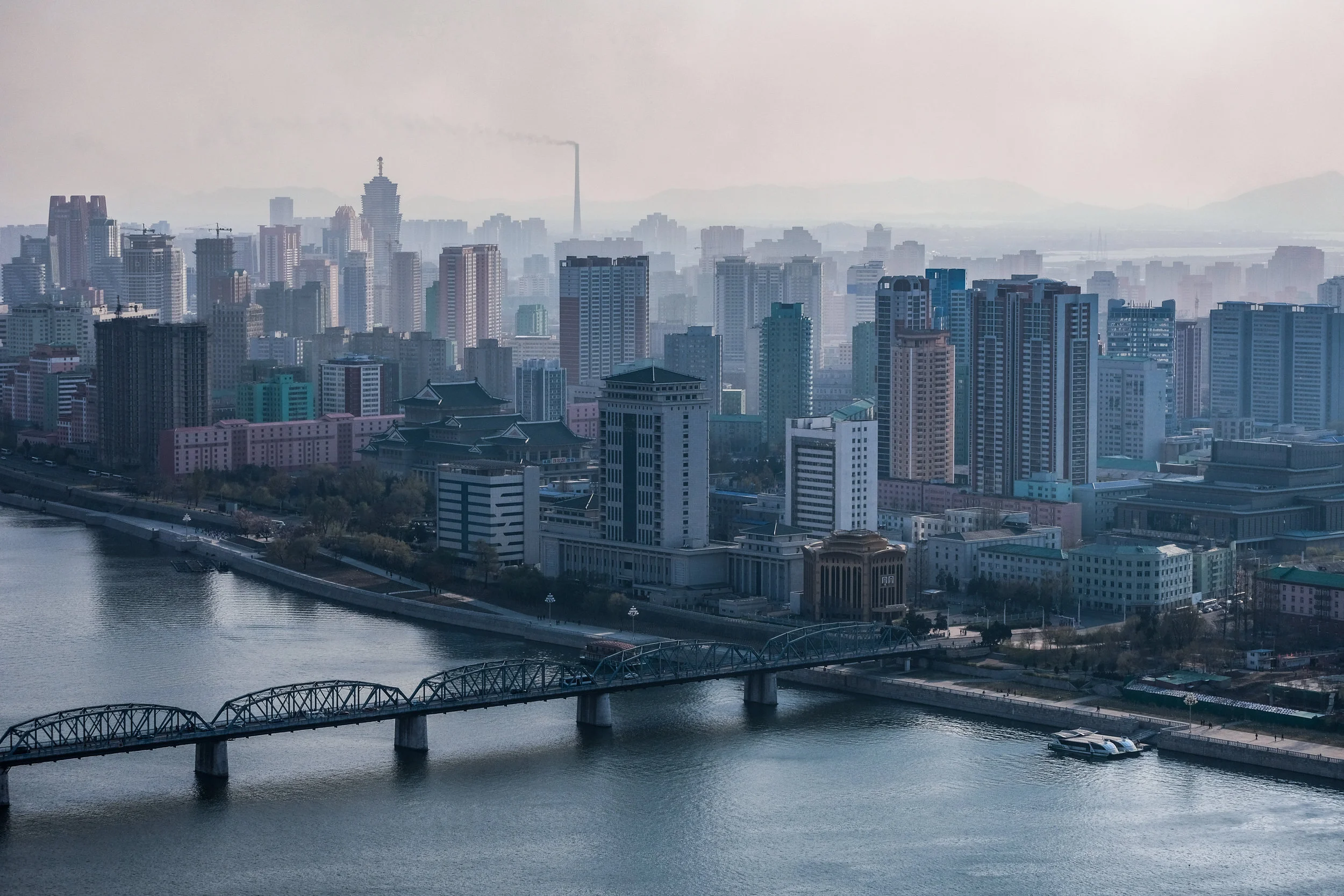
Most touristic trips to the Democratic People's Republic of Korea, more commonly known as North Korea, are trouble free.
Tour companies only have access to a select few places meaning the majority of excursions to the reclusive state are very similar, varying only in length and the amount of sites you can fit in your jaunt.
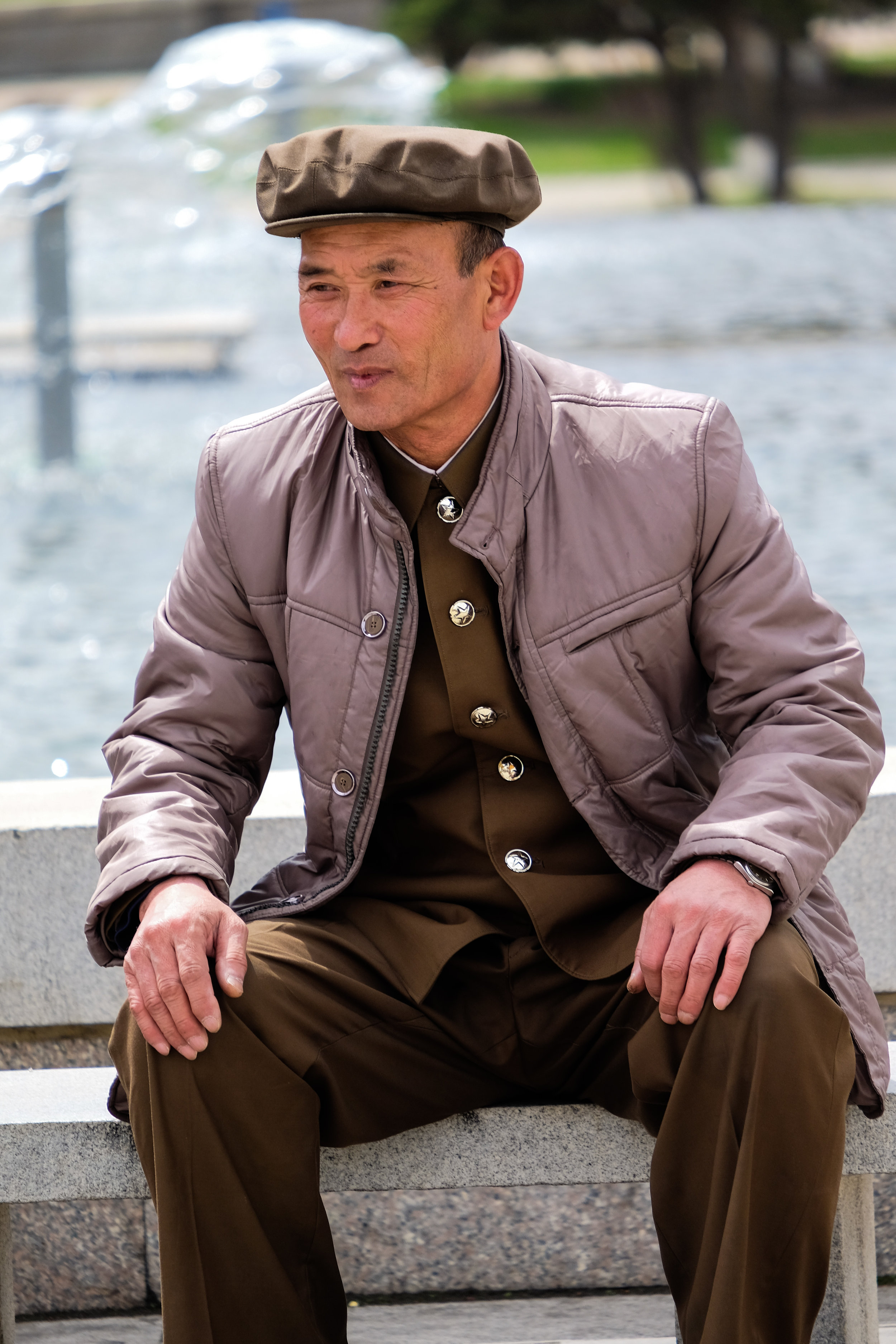
Depending on the time of year, visitors may manage to squeeze in annual events such as the fireworks display to celebrate Day of the Sun, the Pyongyang marathon and the world famous Mass Games, in addition to the usual attractions.
Most of the restaurants you dine in are 'foreigner only' too, although you can arrange to go to a few hand picked options, such as Ryung Song Pizza, where Koreans diners may be present.
Despite watching North Korea from the comfort of the bus for much of the visit, akin to going on an African safari, things do go wrong. The death of American tourist Otto Warmbier is the very worst of what could happen to a visitor. The former's case, although tragic, was extreme, unprecedented and undoubtedly spurred by his nationality.
Punishments for foreigners guilty of gross errors of judgement are usually softer than being sent home brain dead or 15 years hard labour in a prison camp.
I was told by my British tour guide that one client on a previous trip had surreptitiously attached a GoPro camera to the back of the tour bus and took photos from his seat, using his phone and its Bluetooth connection.
A civilian noticed the odd camera on the bus as it was swooping around the pot-holed streets of Pyongyang and reported its presence.
The matter was handed over to the police and the offender tracked to his hotel. After a meeting with officers he was forced to apologise to the Korean people and their leaders by way of a self criticism letter that listed how he could better himself going forward.
I assume he was ordered to delete the images captured too.
Those who travel with a respectable tour company will have briefing a day before departure where the dos, don'ts and consequences of not following the rules are explained. Although well versed in Korean societal norms, I learned in the meeting that you must not fold images of the Great Leaders, among other essential snippets of information.
And yet, I still got 'told off' before I arrived in Pyongyang.
The English newspaper of the D.P.R.K., the Pyongyang Times, always features a photograph of Kim-Jong un on the front cover. Suffice to say I made sure I folded beneath his image, not to cut his body in half as I was given a copy and took my seat on the Air Koryo flight to Pyongyang.
However, there was still time to feel the breath of the Korean government clawing against my back, even before we had taken off and were on Chinese soil.
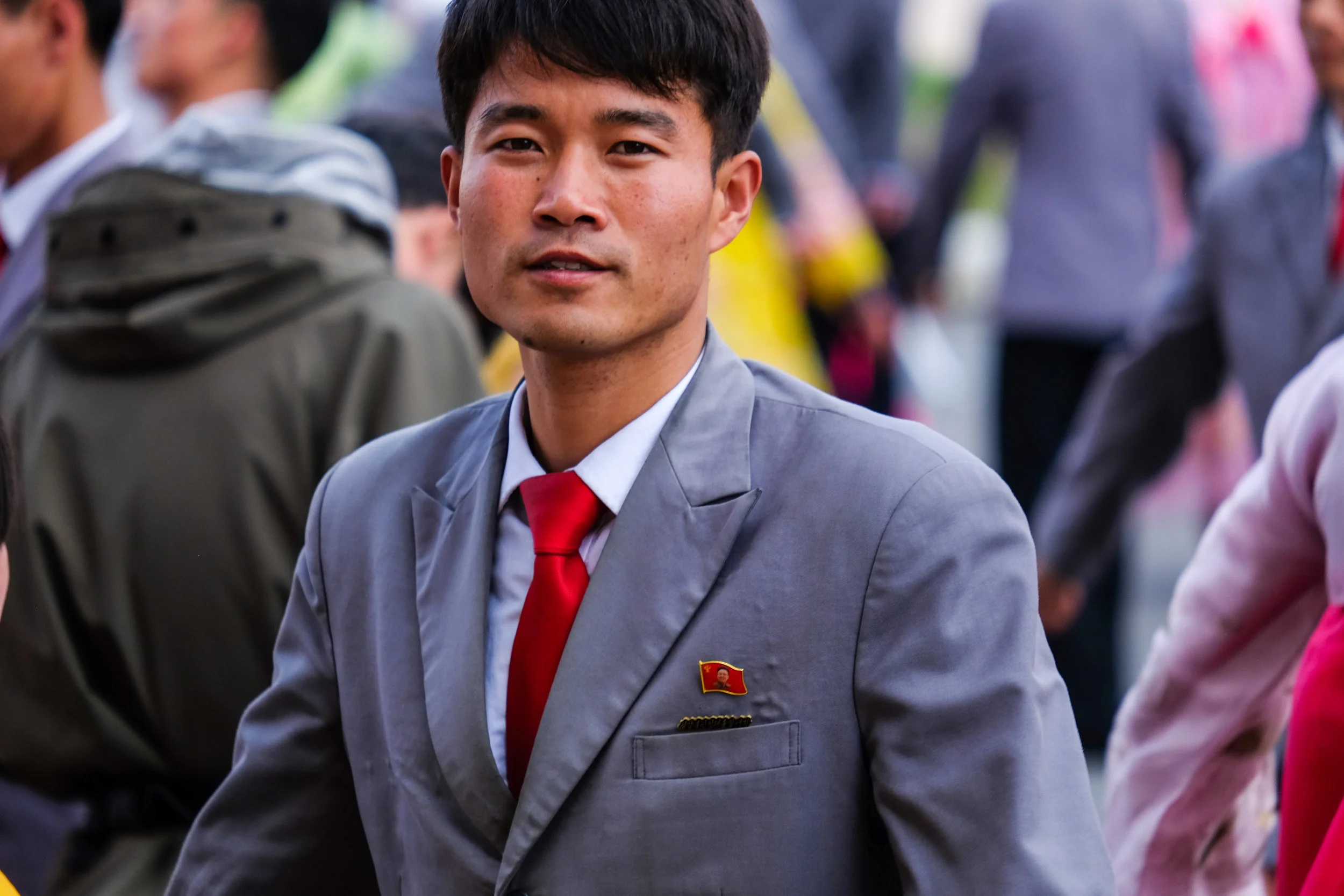
Looking radiant in their navy blue uniforms, topped with flawless white skin and beautiful big eyes I couldn't resist trying to capture one of the cabin crew members with my iPhone.
As I was on the isle seat I poked my head over my shoulder and saw the coast was clear and started snapping at the young lady seeing to customer a few rows in front. Literature I had read a few days before suggested photographing was banned on board but with the plane not in the D.P.R.K. I decided to try my luck.
Moments later there was a tap on my shoulder and soft voice in my ear said: "Delete the photos now please."
I turned around to see one of the cabin crew girls. My heart sank, with fear and not with love. She had caught me red handed.
I promptly deleted the handful of images I had taken of her colleague. She was only contented once all of them had gone, indicated when an unrelated photo from my gallery appeared on the screen.
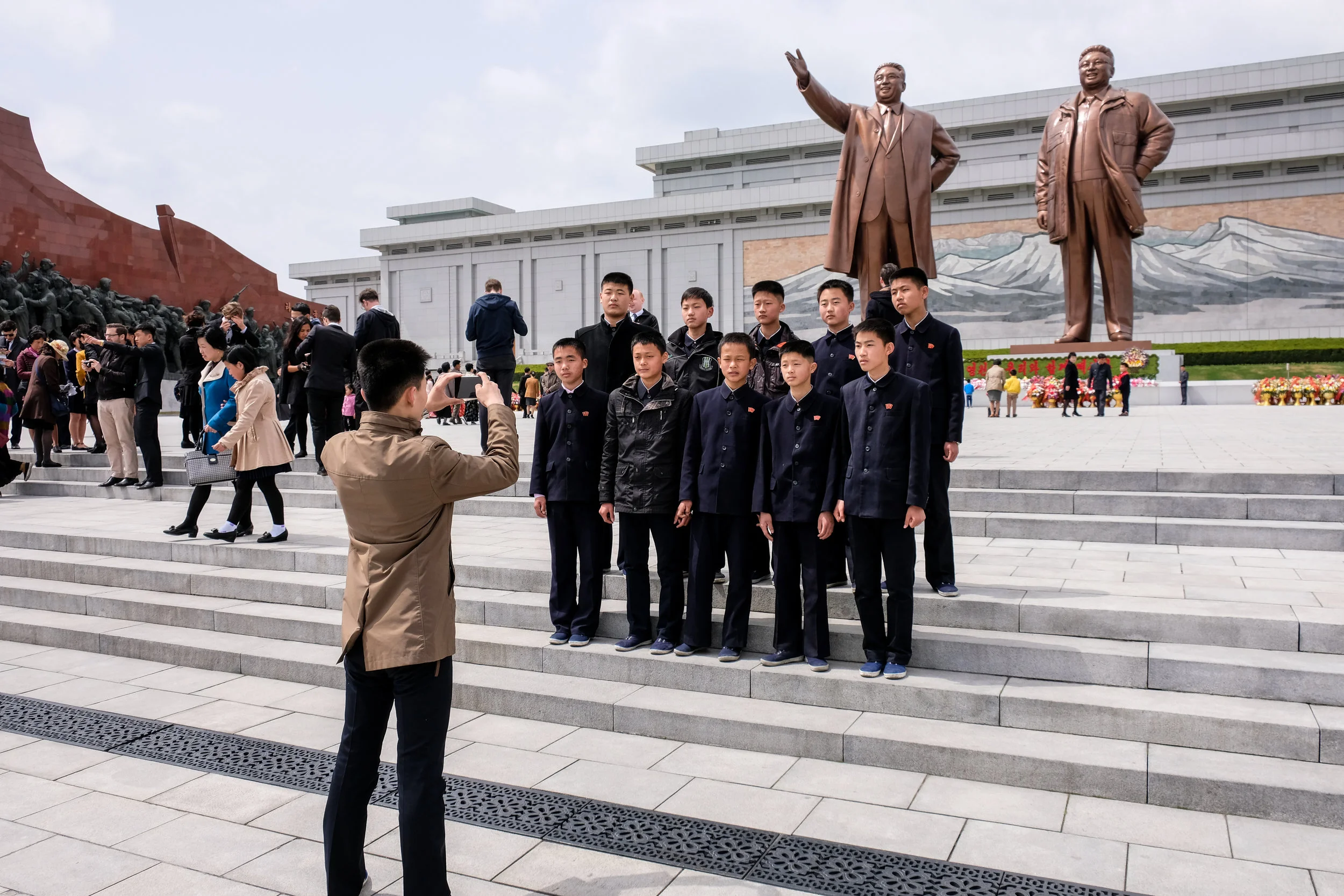
In the briefing before the tour we were also told to show our utmost respect while we visited the birth place of Kim Il-sung in the village of Mangyongdae, on the outskirts of Pyongyang.
As a designated exhibition guide showed us around the small row of huts where the first leader of the country was said to have been born I rested my feet on one of the rocks in the courtyard. A mistake.
Within a split second of my foot touching the smooth surface of the large rock I heard the screeches of my group's two Korean guides or minders behind me. Unaware I had done something wrong one told me to show more respect and to rest my foot some place else as there were guards around.
One of our group's minders, Mr Lee, actually apologised to me after the short scolding, a reassurance that I would probably come to no harm in North Korea. The small apology also shows that behind the Kim dynasty there are 23 million people who, unlike popular media portrayal, appear to be able see through such tedious rules.
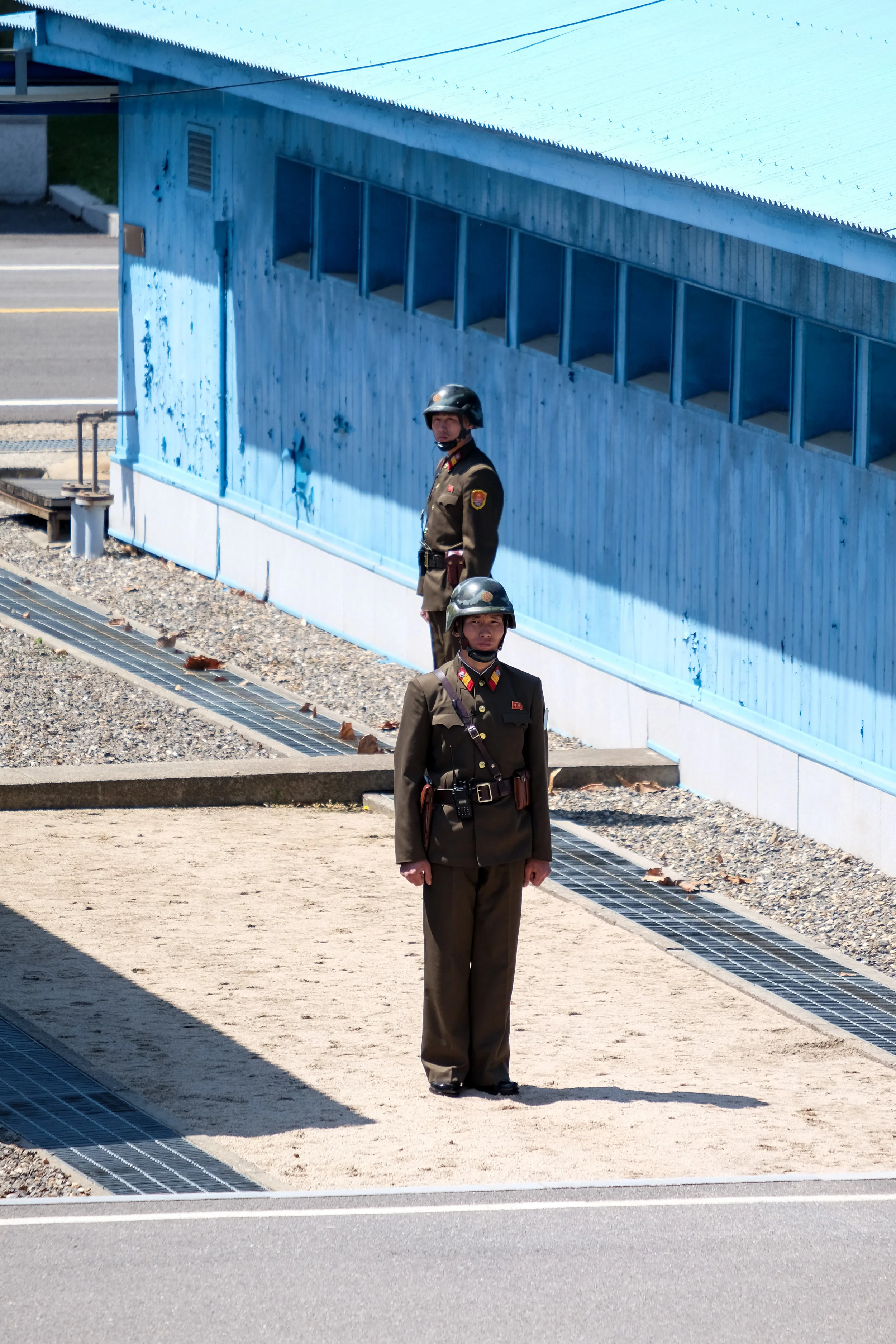
The same day the tour also made its way from Pyongyang to the DMZ, the Demiltrarized Zone, the strip of land that divides the two Koreas, one of the last vestiges of the Cold War.
President Bill Clinton once described the Joint Security Area at Panmunjeom, where talks between the two warring nations usually take place, as the 'scariest place' on earth.
The road from Pyongyang to Panmunjeom is bumpy and flanked by fields where you can see ox and cart ploughing the crops. Military checkpoints where soldiers call on your Korean guide to exit the bus for a short conversation and paper checking are also littered across the stretch.
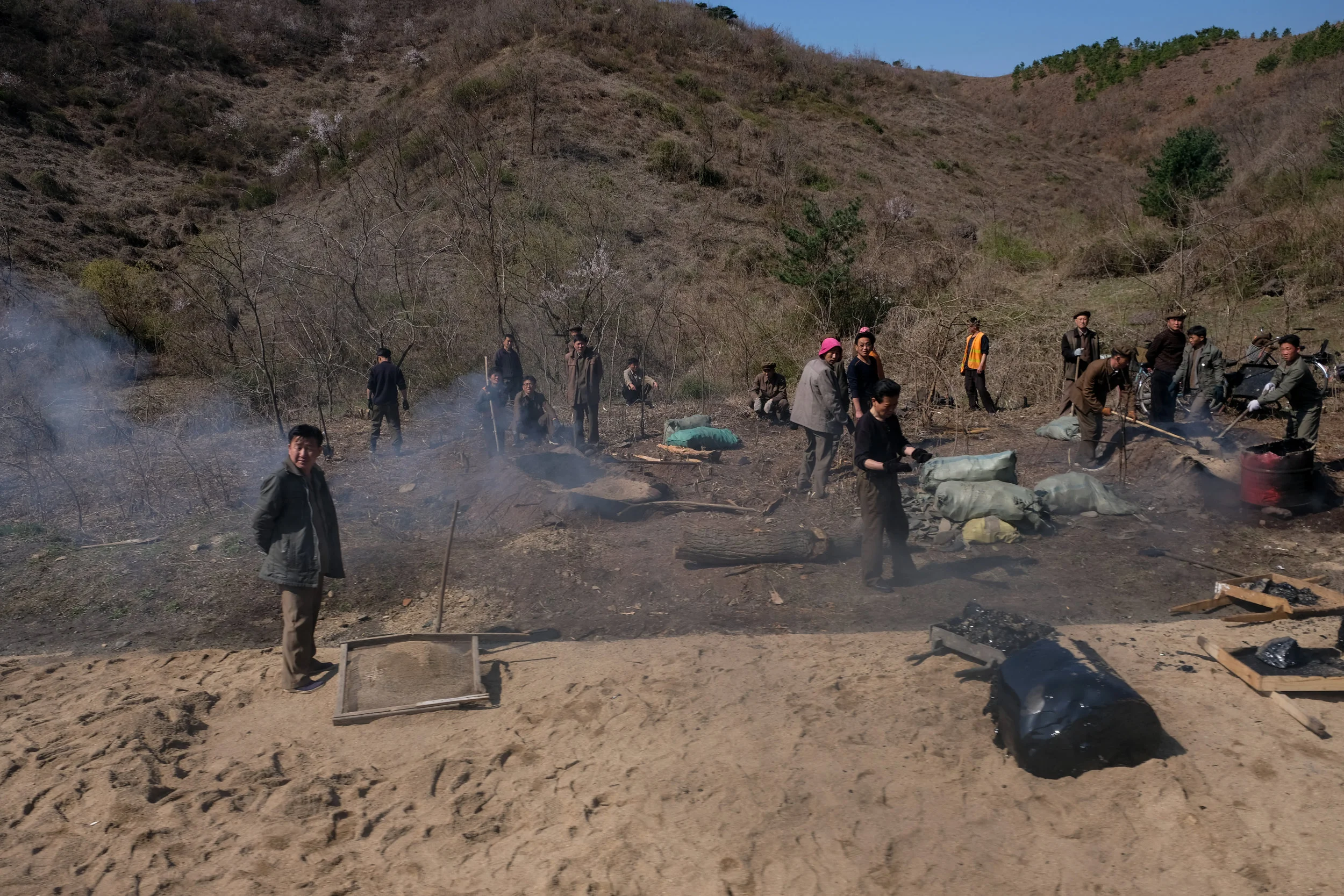
I went just a few weeks before Kim Jong-un met the South Korean president, Moon Jae-in at Panmunjeom for the first meeting between the country's two rulers on the south side. In preparation for the leader's visit and consequent use of the roads, uniformed workers and people dressed in civilian clothes, including women, could be seen smoothing out the many crevices in the asphalt.
When the bus passed one set of workers mixing cement and applying the sticky melting substance to the ground I snapped a picture. As the bus stumbled its way forward the Koreans stopped their work and all stared at me hanging out of the window at the back and pointing my camera in their direction.
At the next military check point we were stopped for longer than normal.
The British woman sitting next to me calmly said: "All those workers stared at you as you took a photo. I think the solider will be making a visit to the bus in a minute to get that picture deleted."
My heart skipped a beat. I turned my camera off and looked to the floor.
I asked myself: 'Surely the workers don't have the means to contact this specific checkpoint and report me?And why would they even care?'
After a few minutes the bus set off again, I had avoided an unwanted confrontation with a soldier, and I decided to save my camera batteries for later.
I think Bill Clinton was wrong, the military checkpoints and large hill drops on the road were far scarier than Panmunjeom.
The journey back to Pyongyang also had a few hair raising moments but the worst was behind me. I had been ill for the duration of the trip thus drank a lot of water. Miles away from the only designated service station I asked my guide if I could pee on the side of the road.
After some deliberation he allowed me. The bus stopped at one of many leaden areas on the empty road and I found a large rock to relieve myself behind. The guide, a few feet in front, watched for oncoming traffic who would surely make a fuss of a foreigner urinating in an area he wasn't meant to. Fortunately no buses, cars or military vehicles passed in either direction for those few moments.